Corni di Fiasco · Manduria · Primitivo
Primitivo di Manduria: where to taste it
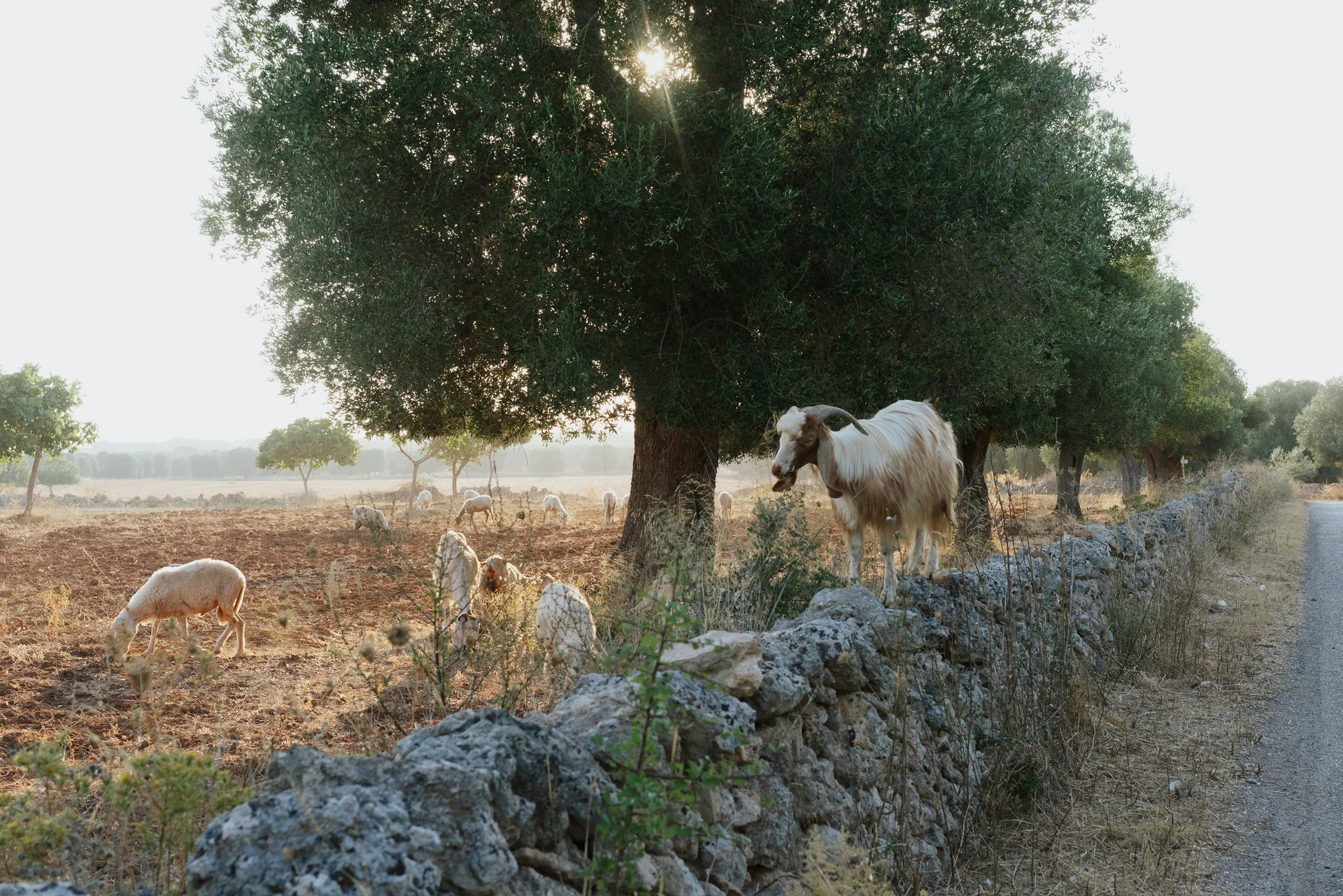
Manduria is 20 minutes from Corni di Fiasco. The Primitivo grape — full-bodied, sun-drenched, ancient — has been grown around the town for centuries.
Where to taste it: three wineries, further down
The wine of this land
Here wine is called mieru. The old men at the bar still say it, and the word comes straight from the Latin merum: pure wine, with no water in it. The Romans watered their wine; drinking it neat was for barbarians, or for those celebrating Dionysus. Round here, it seems, we have always gone for the second option.
Dionysus, the Bacchanalia and the pizzica
St Martin’s Day
As all over Italy, here too they say: Te santu Martinu ogni mustu diventa vinu, “by St Martin’s, every must becomes wine”. On 11 November the barrel is opened and the new wine tasted. In the villages of Salento the feast begins with Mass and ends at the table, with chestnuts and pittule, little fried dough balls. In the countryside it was also the day farm contracts expired, and in Italian “doing St Martin’s” still means moving house. The feast may be older than the saint: on 11 October the Romans celebrated the Meditrinalia, tasting the new must as a medicine, and across half of Europe the end-of-harvest feasts ended up under Martin’s name. The link is a hypothesis; the date has stayed with the wine.
With the vine, the Greeks also brought the god who lived inside it. Dionysus, the Romans’ Bacchus, was honoured with wine, dance and trance, and his rites, the Bacchanalia, frightened Rome so much that in 186 BC the Senate banned them. In Salento the god never quite left. The pizzica, the old folk dance of Salento, has the same drunken abandon: the tambourine speeding up, the circle closing in, the wine passed from hand to hand until nobody is standing still. We tell the story of the tarantate, the women “bitten” by the tarantula, and of Ernesto de Martino in our Stories; here it is enough to say that at our feasts, mieru and dancing have always arrived together.
Primitivo, which came from the sea
In 1488, in Split, someone recorded a barrel of wine shipped to Puglia. The wine was called Tribidrag, and it came from the vineyards of the Dalmatian coast, on the other side of the Adriatic. Here the grape put down roots and changed its name. At the end of the eighteenth century, in Gioia del Colle, a priest, Don Francesco Filippo Indellicati, noticed that one of his vines ripened before all the others, and called it primativo, the early one. That is our Primitivo.
It reached Manduria, tradition says, in 1881 with a bride: Countess Sabini of Altamura brought it in her dowry to Don Tommaso Schiavoni-Tafuri, and a cousin of the family, Menotti Schiavoni, planted it on the dunes of Campomarino, a stone’s throw from Corni di Fiasco.
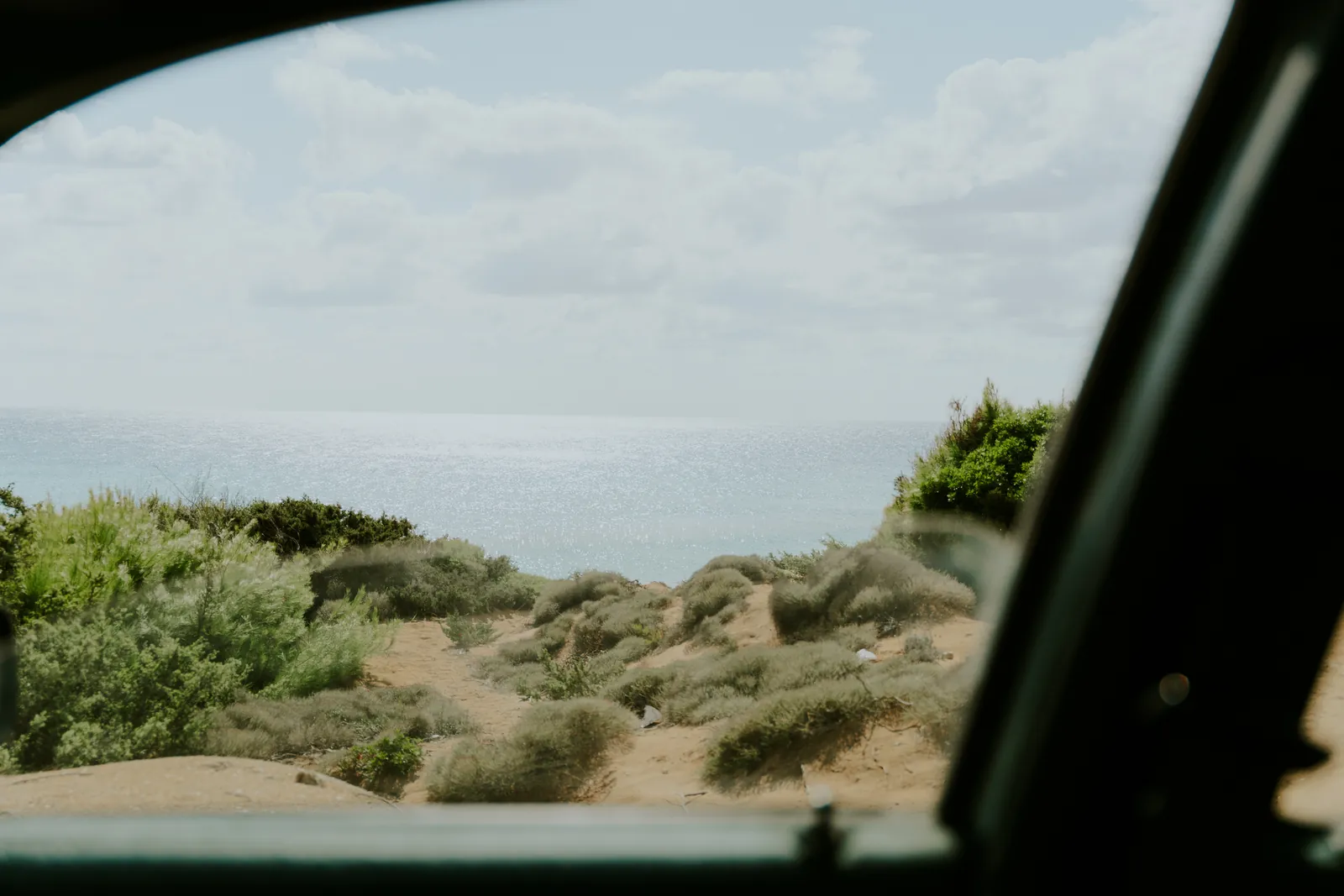
The geneticists wrote the rest of the story. In California people had been drinking Zinfandel for more than a century, and nobody really knew where it came from. In 2001 a researcher from the University of California, Carole Meredith, with two Croatian colleagues, found, in an abandoned vineyard near Split, a single old vine of a local grape. DNA gave the answer: Zinfandel, Primitivo and Tribidrag are the same grape. Three names, two shores of the Adriatic, an ocean in between.
Negroamaro, black twice over
If Primitivo came from the sea, Negroamaro seems always to have been here. It is the most widely planted red grape in Salento, and its name says the same thing twice: niger in Latin and mavros in Greek both mean black. Some prefer the farmers’ version, niuru maru, black and bitter, for the colour of the skins and that faintly bitter finish in the wine. The same grapes also make the rosés of Salento, drunk chilled here in summer, with fish.
With ice and peaches
In summer, wine here is also drunk with ice, and nobody is shocked. There is an even older habit: as well as ice, slices of peach go into the glass, sweetening the wine and soaking it up as they do. It brings sangria to mind, and perhaps that is no accident. For two centuries Naples had Spanish viceroys, then came the Bourbons, and Spanish noblemen were at home in these parts: maybe we learned it from them. Or maybe we got there on our own, at forty degrees in the shade.
Susumaniello and the little donkey
Until a few years ago Susumaniello had almost disappeared. A few old farmers kept it in a row or two, because when it is young it bears so much fruit that the vine is loaded like a pack donkey: that, they say, is where the name comes from, somarello, the little donkey. Then, as it ages, the vine calms down and yields little, but what it gives is good.
There are two more stories about the name, and they are hypotheses. The first has it arriving from Dalmatia, like Primitivo, on the ships of Venetian merchants, when the Adriatic was the Serenissima’s sea. The second is older and more beautiful. The Romans had a god of night-time lightning and of the storms that come with the dark, Summanus, and they celebrated him on 20 June, on the eve of the solstice, with wheel-shaped cakes of flour, milk and honey: the Summanalia. A wine sub Summanalia, the wine of Summanus’s feast, would in time have become Susumaniello. Nobody can prove it, but grapes, as everyone knows, are glad of rain at night.
The other grapes brought back
Roses at the head of the rows
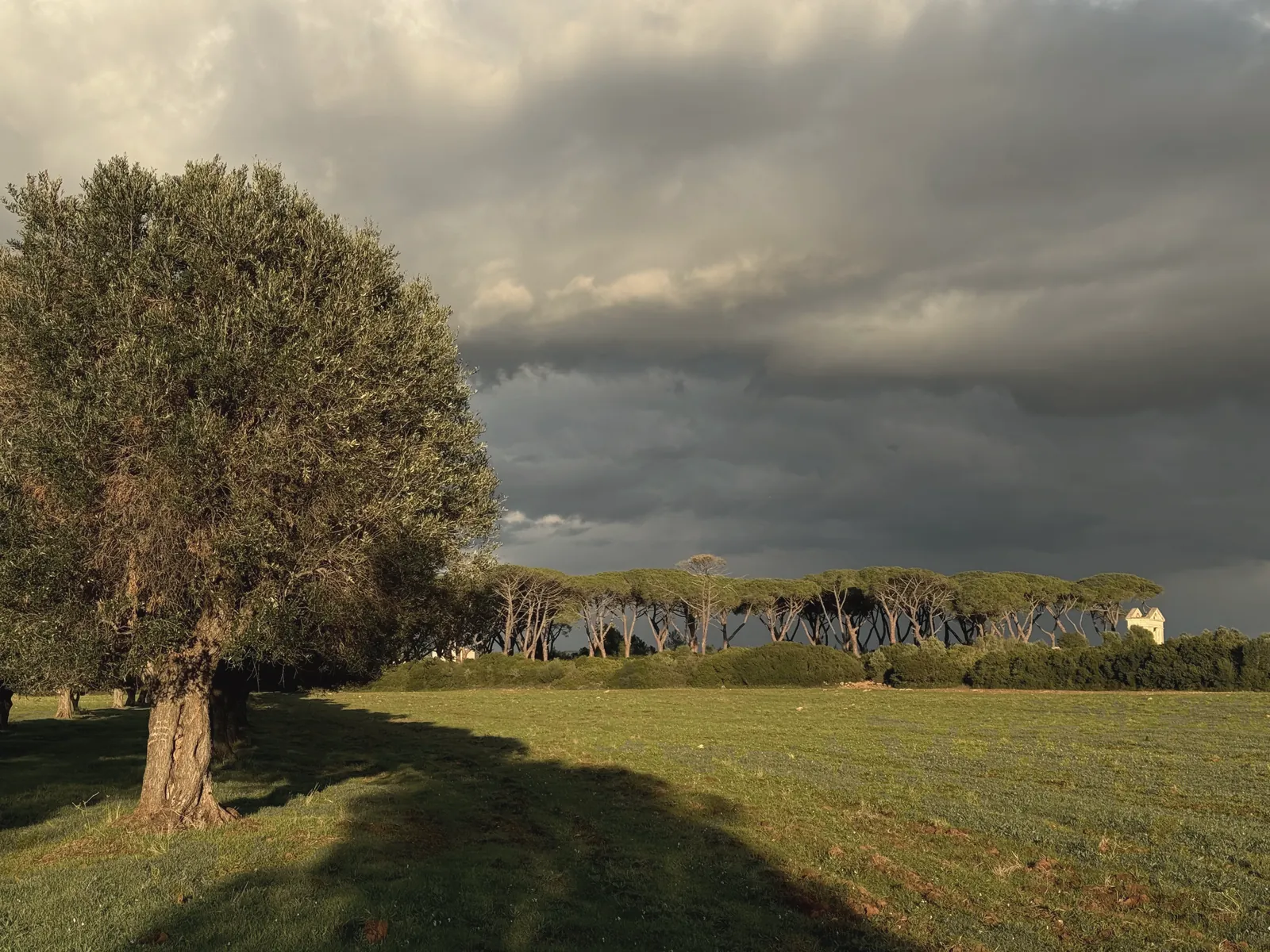
At the head of many rows, here as in France or Spain, there is a rose. It is not there for show. The rose suffers from damp heat before the vine does, and shows the signs of powdery and downy mildew up to a week earlier: when its leaves turned powdery white or came out in spots, the farmer knew the vineyard would soon be next, and hurried to treat it. They were sentinels, not ornaments.
Susumaniello is not the only one. Over the last twenty years winegrowers and researchers in Puglia have gone looking in old vineyards for the grapes the twentieth century had set aside, because they yielded little or nobody asked for them any more. That is how they came back into the bottle: Ottavianello, which DNA has shown to be the same grape as the French Cinsault, which perhaps arrived by sea, with the shipping trade, in the nineteenth century; Malvasia Nera; Notardomenico.
Dùnico
The grape harvest
It began in September and went on into October. Women and children cut the bunches; the men loaded the cofane, baskets of rush and cane, onto the traìnu, the mule-drawn cart that took the grapes to the palmento, the treading vat. People sang as they worked, two-voice songs, a man and a woman, about love and the countryside. With the harvest, the summer fòri, out in the country, came to an end, and everyone went back to the village.
Palmenti and capase
The palmento was the vat where grapes were trodden, often cut into the rock, with a channel carrying the must to a lower basin. The palmentaro, the treader, jumped in barefoot, in a kind of tarantella, until every bunch was crushed. The wine then went into capase, great earthenware jars made almost always in Grottaglie, twenty-five minutes from here: the largest held three hundred litres and kept the wine at a steady temperature. Today you see them in masseria courtyards, full of flowers.
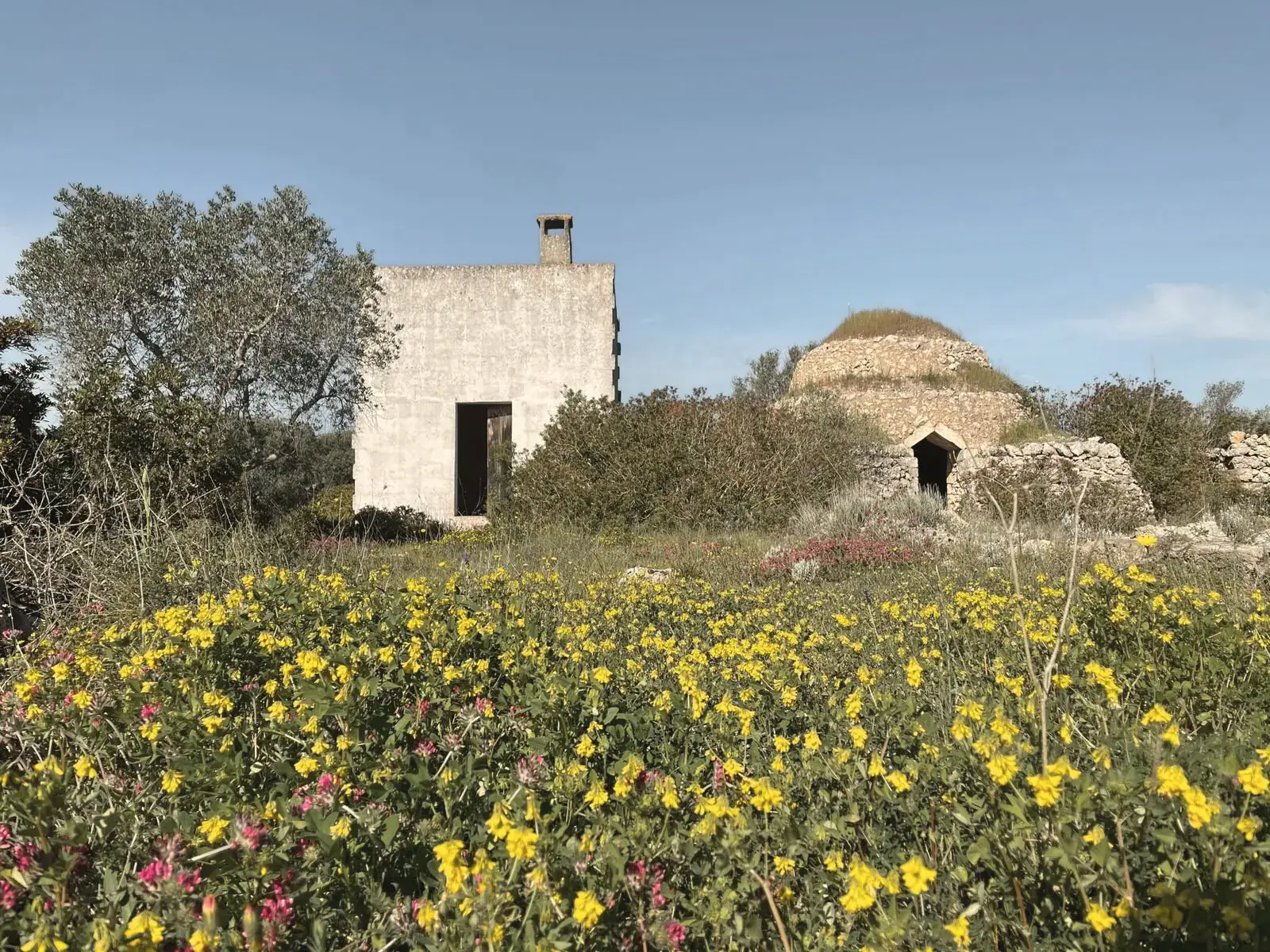
And then there is dùnico, which you will find in no register. It was the strong, spicy red from vines planted in the sand, on the dunes in front of Maruggio, as the old people of the village remember it. Today the name has also ended up on a label; the old folk’s dùnico lives on in their stories. The dunes are the same ones where, tradition says, Menotti Schiavoni planted Primitivo, and the same ones we write about in our Stories.
Uncle Pici
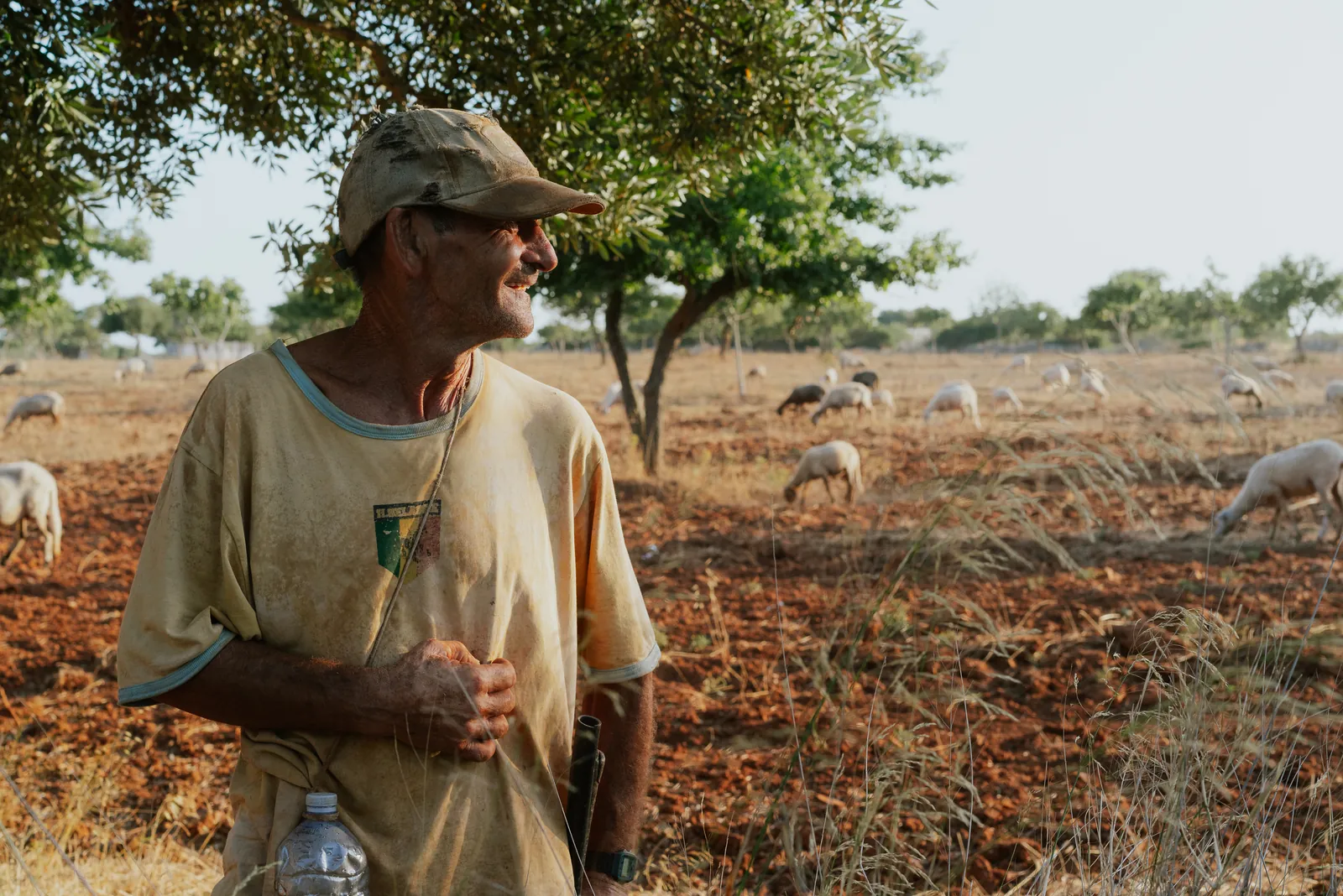
Luigi, whom everyone called Pici, was my father’s uncle. In the 1950s he moved to Milan and worked as a tailor. Every time he came back to Maruggio, he left with one or two demijohns of Primitivo. In Milan he could not afford to give a big bottle to every neighbour and friend, so he stretched it with water, half and half. That wine went down very well.
In time things went better for him, and he began giving it away neat. The reply came right on cue: “Ah, Signor Luigi, yes, this wine is good, but the one you brought before was superior!” So Uncle Pici would ask for the pure Primitivo back, water it down again and return it, to everyone’s delight.
Real Primitivo, mieru, is not for everyone.
Among the producers who put Primitivo di Manduria on the map
Cantine Felline
If you visit only one estate in Manduria, make it this one: traditional winemaking, contemporary precision. Tastings by appointment.
Old vines, by appointment
Morella
Gaetano Morella and Lisa Gilbee farm old alberello vines, 50 to 100 years old, biodynamically. Intimate visits, for the curious guest.
An icon
Gianfranco Fino
His Es is poured in some of the finest restaurants in the world — one of the most celebrated expressions of Primitivo.
Three producers, three very different styles — the classic estate, the craftsman of old vines, the icon.
The town
Manduria
Manduria rewards a slow afternoon: Messapian walls, a Jewish ghetto, baroque churches.
At the table
Where to eat in Manduria
- Color Vinaccia — an honest trattoria in the heart of Manduria, good after visiting the estates.
- Masseria del Sale — a restored masseria among salt flats and vineyards: local ingredients, genuine atmosphere.
Twenty minutes from Manduria, among the olive trees.
Keep exploring: our Stories of Maruggio and beyond, for the pizzica, the tarantate and life fòri.